

Ongoing Support

Ongoing engineering for production mobile applications.

We provide OS compatibility work, incident investigation, dependency maintenance, performance analysis, and planned release support for existing applications.

Production Telemetry baseline
Risk-based Response targets
Defined Supported matrix
Repeatable Release process

Selected production engineering work

Production maintenance scope

Mobile applications require planned work as operating systems, devices, dependencies, policies, and production usage change.

Risks of deferred maintenance

Mobile applications run on operating systems and device configurations controlled by platform vendors and users, so production conditions continue changing after release.

  • OS and device changes can expose assumptions in existing code
  • Production failures can remain invisible without usable telemetry
  • Dependencies and build tools can become unsupported
  • Store-policy changes can create release work
  • Workload changes can reveal performance constraints
  • Dependency advisories require application-specific triage

Active maintenance controls

A planned maintenance program can include:

  • An agreed OS and device support matrix
  • Crash and incident telemetry with a documented baseline
  • Dependency review based on risk and release constraints
  • Store-policy impact assessment before submission
  • Performance profiling tied to measured regressions
  • Security-advisory triage based on exposure and exploitability
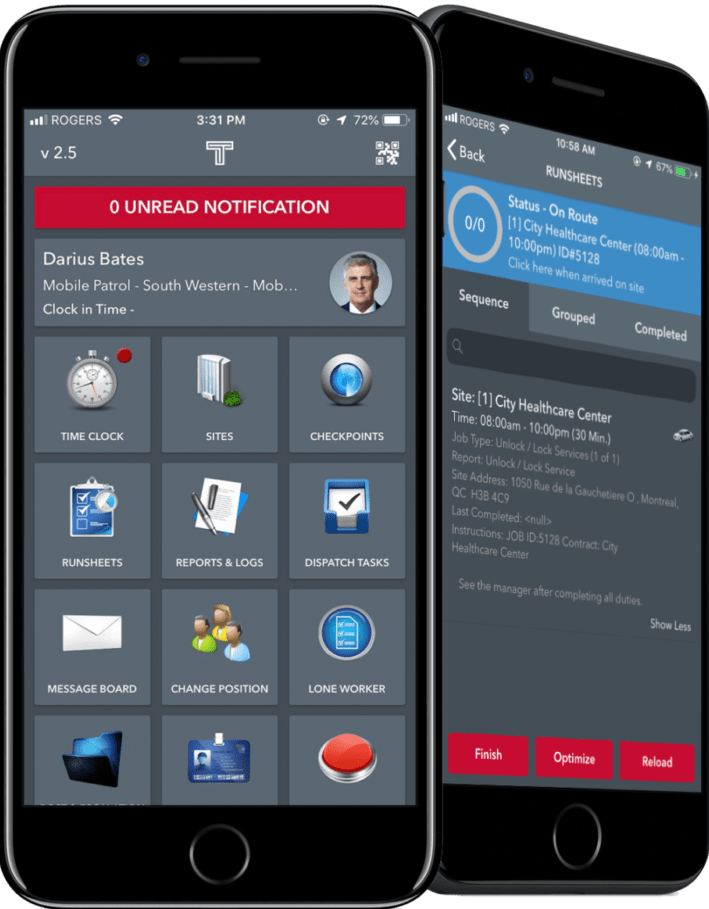
Tracktik mobile application by Trackforce

Selected work · Trackforce

Production engineering for the Tracktik mobile application

Trackforce operates Tracktik, a mobile platform for physical security operations. DEVSFLOW contributed production engineering to an established Android application.

We led three Trackforce developers on the stability work: moving I/O off the main thread, making report submission reliable under concurrency, and keeping the offline download within memory limits. ANRs fell by more than 90%.

CLEIO logo

Selected work · CLEIO

Android engineering for CLEIO's EEG companion app

CLEIO builds EEG headset companion applications. Alongside feature work in CLEIO's repository, DEVSFLOW fixed production reliability issues in a live app.

That included memory use on multi-day recordings, concurrency in the data pipeline, and crash recovery so a study resumes where it stopped.

Production maintenance controls

The recurring controls are selected from the application's support matrix, release process, telemetry, and risk profile.

OS compatibility

We test supported application workflows against relevant iOS and Android beta releases, document compatibility findings, and schedule required changes before public release where timelines permit.

Crash monitoring and resolution

Where suitable telemetry exists, alerts and release comparisons feed a prioritized incident queue. Investigation separates symptoms, root cause, containment, and verified remediation.

Performance optimization

Profiling targets measured regressions in startup time, memory, battery use, and network behavior against agreed devices and workflows.

Dependency management

SDK, library, and toolchain changes are reviewed for security, compatibility, and support risk, then validated through the application's build and test controls.

Security patching

We monitor relevant dependency advisories. The critical-advisory triage target, escalation path, and coverage window are defined for each engagement; remediation timing depends on exploitability, application exposure, vendor availability, regression risk, and release controls.

App Store compliance

Relevant Apple and Google policy updates are assessed against the application's behavior, data use, entitlements, and release configuration.

Bug fixes and minor improvements

A recurring engineering allocation can cover prioritized defects and bounded improvements after production risks and release obligations are accounted for.

Monthly reporting

An agreed reporting cadence can cover production health, completed work, unresolved risks, upcoming platform changes, and recommended decisions.

Maintenance engagement structure

Scope and service levels are defined after reviewing the application's codebase, production risk, release obligations, and the responsibilities retained by the client team.

Scoped after audit

Production maintenance

A recurring engineering scope built around the application's actual operating risk.

For production applications that require observable health, planned platform work, and a defined incident and release process.

  • A versioned production-health baseline
  • An agreed OS and device test matrix
  • Dependency and toolchain risk review
  • Performance profiling against measured regressions
  • Store-policy and release-configuration review
  • Defined incident severity and response targets
  • An engineering allocation tied to the prioritized backlog
  • Written reporting on work, evidence, and unresolved risk

If this isn't quite right for your app

Advisory coverage

For a stable application with an internal delivery team, the scope can focus on periodic codebase, dependency, platform, and release-risk reviews.

Dedicated engineer

For an application with a sustained production backlog, a named engineer can work inside the client's planning, review, incident, and release process.

Send the current platform and operating context to define an initial audit and maintenance scope.

Platforms and technologies

Coverage is confirmed during the initial codebase review rather than assumed from a framework label.

iOS native

Swift, UIKit and SwiftUI engineers available for iOS codebases

Android native

Kotlin, Java, Jetpack Compose, Room, WorkManager, Play Services

Build and release systems

GitHub Actions, detekt, ktlint, automated testing

Production observability

Crash telemetry, release comparison, structured logs, performance traces, and operational dashboards

Frequently asked questions

We didn't build our app with you. Can you still maintain it?

Yes. Work on an inherited application begins by reviewing build access, architecture, dependencies, release controls, and available production telemetry. The maintenance scope is based on those findings.

What happens when a new iOS or Android version drops?

We test supported workflows against relevant beta releases, document compatibility findings, and schedule required changes against the public release date. Coverage and timing depend on the supported OS matrix and the severity of any platform change.

How do you handle critical production issues?

The engagement defines severity levels, escalation contacts, evidence required for triage, and an initial-response target. Resolution time depends on the cause, validation work, and release controls.

Do you handle App Store submissions?

Release support can include build preparation, App Store Connect or Play Console configuration, submission, and investigation of review feedback when those responsibilities are included in the engagement.

How is the maintenance scope defined?

The scope is based on the supported platform matrix, release cadence, current telemetry, known incidents, dependency state, and the client's internal engineering responsibilities.

Latest insights

Practical writing on keeping mobile apps healthy after launch.

View production maintenance articles

Review a production maintenance requirement

Send the supported platforms, release cadence, current telemetry, and known risks. We will outline the information required for an initial codebase and operations review.